
Freight Forwarder vs Customs Broker: Who Does What
Your freight forwarder says "we handle customs too." You hand over the shipment details and move on. Then customs flags the entry, and the question comes back to you: who authorized this filing?
Freight forwarders and customs brokers play different roles in international shipping. This guide explains what each one does, how US regulations changed in 2022, and why the importer is always the one on the hook.
What does a freight forwarder actually do?
A freight forwarder organizes the physical movement of your goods from origin to destination. They act as an intermediary between you and the carriers — booking cargo space, planning routes, and coordinating handoffs between trucks, vessels, and planes. Think of them as a travel agent for your shipment.
In the United States, ocean freight forwarders are licensed by the Federal Maritime Commission (FMC), and air freight forwarders operate under an IATA number and are regulated by the TSA as Indirect Air Carriers. According to the National Customs Brokers and Forwarders Association of America (NCBFAA), these licenses authorize the forwarder to arrange transportation — not to file customs entries.
Forwarders typically handle:
Carrier booking and rate negotiation
Route planning across multiple transport modes
Shipping document preparation (Bill of Lading, Packing List, Certificate of Origin)
Cargo tracking and shipment monitoring
Export formalities including AES filing and Schedule B classification
According to Ascent Global Logistics, freight forwarders coordinate with customs brokers on import documentation but are not responsible for the actual customs filing.
What does a customs broker do differently?
A customs broker is a licensed specialist who handles the legal side of importing. They classify your goods under the correct tariff code, calculate duties and taxes, and submit the entry paperwork to U.S. Customs and Border Protection (CBP). Without a broker, most commercial shipments cannot clear customs.
Under 19 CFR 111, no person may conduct customs business on behalf of another without a valid customs broker license issued by CBP. To get that license, you must pass the Customs Broker License Examination (CBLE) — one of the most difficult professional exams in the US.
According to CBP's published results, recent pass rates include:
April 2023: 5.5%
October 2023: 34%
May 2024: 13%
October 2024: 24%
April 2025: 30%
October 2025: 12%
The pass rate typically falls between 10% and 35%, depending on the exam cycle. For comparison, the US bar exam averages around 59%, and the CFA exam around 47%, according to Imports Academy.
Customs brokers handle:
HTS code classification for imported goods
Duty and tax calculation
Entry filing with CBP through the ACE system
Coordination with partner government agencies (FDA, USDA, CPSC, EPA)
Post-entry audit support and compliance advisory
Can one company do both?
Yes. Many freight forwarding companies have a licensed brokerage division that handles customs clearance in-house. According to ICE Transport, some forwarders are also NVOCCs (Non-Vessel Operating Common Carriers), licensed by the FMC, which means they can issue their own bills of lading and take direct legal responsibility for cargo transport.
Using one company for both logistics and customs can be convenient — it centralizes communication and simplifies vendor management. But legally, the two functions remain separate. A freight forwarder license does not authorize customs filing. A broker license does not authorize cargo transport. According to Ascent Global Logistics, "one company is often both the freight forwarder and the customs broker; however, the two can be independent of each other due to the differences in responsibilities and capabilities."
Why did CBP change the Power of Attorney rules in 2022?
In December 2022, CBP's Modernization of Customs Broker Regulations (87 FR 63267) introduced a critical change under 19 CFR 111.36(c)(3): a customs broker must now execute the Power of Attorney (POA) directly with the importer of record. Not through a freight forwarder. Not through any other third party.
A Power of Attorney is the legal document that authorizes a broker to file customs entries on your behalf. Before this rule change, it was common for forwarders to handle the POA process as an intermediary — passing the document between the importer and the broker without direct contact between the two.
According to CBP's FAQ on the modernized regulations:
A freight forwarder may not assign a Power of Attorney to a customs broker on behalf of a client
A freight forwarder may act as a courier to pass a written POA back and forth between broker and importer
A freight forwarder may facilitate an electronic introduction between broker and importer
A freight forwarder cannot communicate with the broker instead of the importer of record
The deadline for existing POAs to comply with this rule was February 17, 2023. Any POA executed and signed by a forwarder on behalf of a client had to be replaced with a new POA executed directly between the broker and the importer.
Who is liable when something goes wrong?
The importer of record. Always. Under 19 CFR 111.29, CBP's written notification to importers states clearly: "If you are the importer of record, payment to the broker will not relieve you of liability for customs charges (duties, taxes, or other debts owed CBP) in the event the charges are not paid by the broker."
This means:
If your broker misclassifies your goods, you owe the back duties
If your broker fails to remit duty payments, CBP collects from you
If your entry contains errors, penalties are assessed against your name
The broker has a professional obligation to exercise "reasonable care" and advise you on compliance. But the legal liability sits with whoever's name is on the entry — the importer of record.
According to CBP's guidance on POA validation, brokers are expected to verify the importer's identity and business legitimacy. But this verification protects the broker, not the importer. Your responsibility begins the moment you sign the POA.
Checklist: Choosing a forwarder and broker
Verify licenses separately. Your forwarder should have an FMC license (ocean) or IATA number (air). Your broker should have a CBP license. Even if it's the same company, confirm both.
Sign the POA yourself. Since February 2023, the broker must execute the POA directly with you. If your forwarder says "we'll handle the POA," ask exactly how.
Know who files your entries. Ask your forwarder: do you file the customs entry, or does a separate broker? Get the broker's name and license number.
Keep copies of everything. CBP requires brokers to retain records for 5 years. You should keep your own copies of the POA, entry summaries, and duty payments.
Understand your liability. No matter who you hire, the importer of record is ultimately responsible. If duties are unpaid or entries are incorrect, CBP comes to you.
Make the invoice and packing list match
Enter the shipment once. Quantities, packages and weights come out the same on the commercial invoice and packing list, with the fields customs asks for.
No credit card required · 14-day free trial

Related Articles
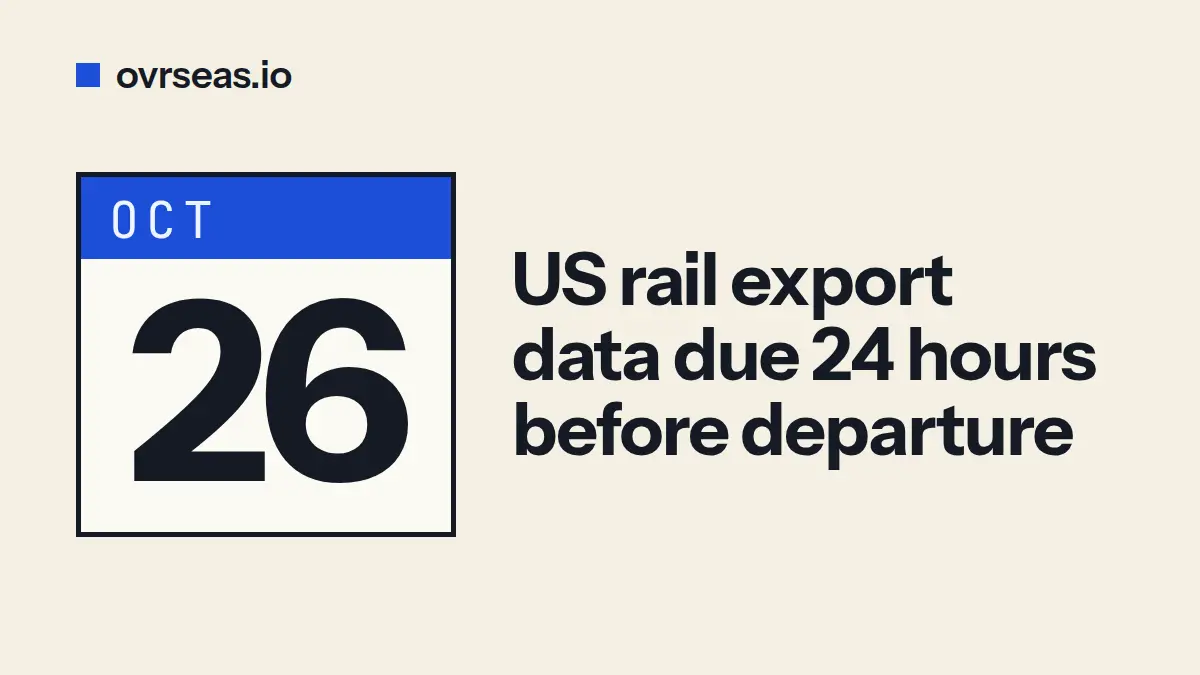
CBP's Rail Export Manifest Rule: What Has to Be Right 24 Hours Before Departure
CBP's final rule for rail export manifests takes effect 26 October 2026. The initial filing is due 24 hours before departure, and six of its seven mandatory fields come off your own shipment documents.
How to Find the Right HS Code for Your Product
HS code lookup is not a Google search. It is a legal classification under six binding rules. Here is the workflow professionals use.
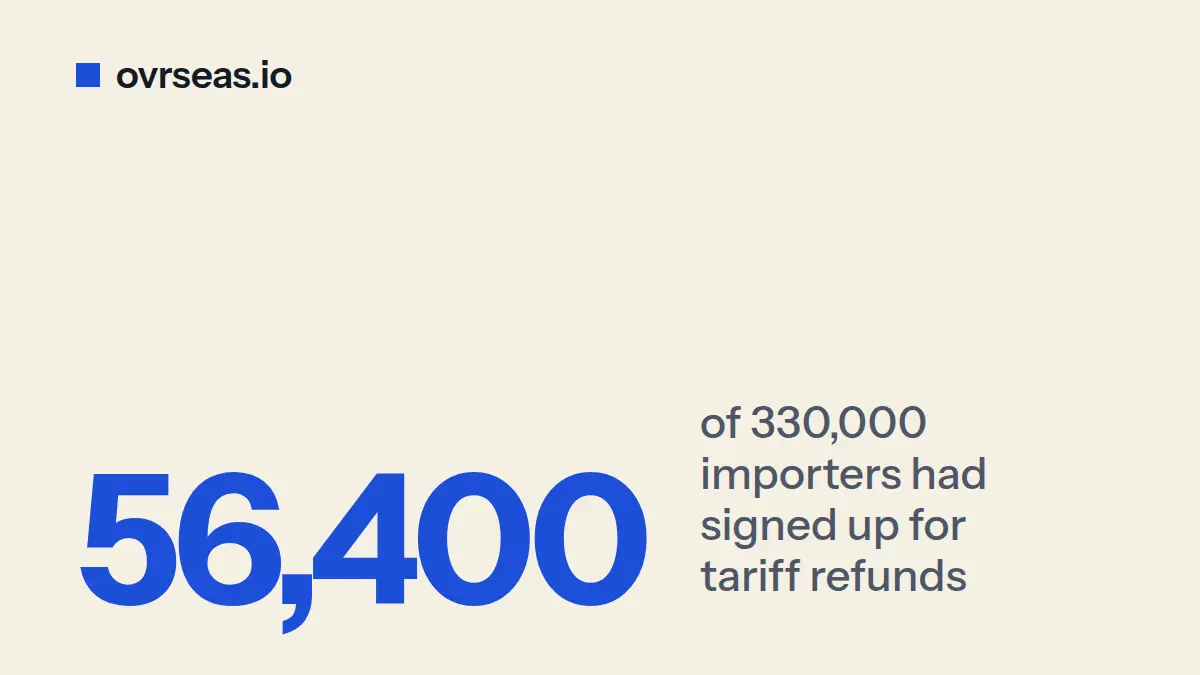
CAPE Portal Live: How to File for Your IEEPA Tariff Refund
CBP launched the CAPE portal today. Of 330,000 importers who paid IEEPA duties, only 56,400 are ready to file for refunds.